RPRDT&E (Rapid Prototype Research, Development, Test & Evaluation) is led by principals with over 50 years of combined empirical experience in the field and office. We have pioneered applications, built programs, and conducted testing and evaluation for organizations including NIST, NAVAIR, US Army Space and Missile Defense Command Battle Lab, and numerous private and public universities and businesses.
Grounded in the ethos of "Confirmare Est Tutari" — to confirm is to protect — our collaborative efforts have resulted in thousands of students receiving training for the Part 107 certification and practical hands-on flight experience. We partner with defense contractors, government agencies, and emerging technology developers to provide objective, rigorous, and data-driven assessments across unmanned domains.
Our principals played a pivotal role in making commercial UAS operations under 14 CFR Part 107 possible — contributing to the RCAPA Proposed Guidelines, the FAA's sUAS ARC, ASTM F38, RTCA SC-203, Eurocae WG-73, UK CAA Cap-722, and the International Coordination Council. From early-stage prototypes to pre-fielding acceptance testing, RPRDT&E delivers certainty.
Gene brings decades of front-line sUAS operational experience to RPRDT&E. He authored First to Deploy — Unmanned Aircraft for SAR and Law Enforcement, a landmark text on sUAS applications in public safety. He has presented at global symposia, co-hosted a podcast series with over 500,000 downloads, and been interviewed by numerous major networks, magazines, and print outlets. Gene's work advocates for the benefits of SME-guided low-altitude data collection.
▶ Podcast Series — sUAS NewsPatrick brings deep technical and regulatory expertise shaped by years of engagement with domestic and international standards bodies. He has contributed to the RCAPA Proposed Guidelines, participated in the FAA's sUAS ARC, and collaborated with RTCA SC-203, Eurocae WG-73, and the UK CAA's Cap-722 document. Patrick co-hosted the sUAS News podcast series, co-developed Part 107 training curricula, and has been a sought-after voice on unmanned systems policy at global symposia.
▶ Podcast Series — sUAS NewsOur test bed infrastructure is purpose-built for the rigors of unmanned systems evaluation — offering instrumented ranges, spectrum-controlled environments, and operator-in-the-loop simulation facilities across multiple domains.
Full-spectrum testing for small and large unmanned aerial systems including BVLOS, GPS-denied operations, payload integration, and survivability assessments.
Mobility, endurance, and autonomy testing for wheeled and tracked unmanned ground vehicles across varied terrain profiles and operational environments.
Surface and subsurface vehicle testing, including navigation accuracy, communication resilience, and multi-domain interoperability assessments.
Spectrum analysis, link budget validation, jamming resistance evaluation, and C2 latency testing for all supported unmanned platforms.
EO/IR, LIDAR, hyperspectral, and multi-sensor payload integration testing with geolocation accuracy verification and real-time data throughput analysis.
Vulnerability assessments, spoofing resilience, counter-UAS interaction testing, and electronic warfare survivability evaluations in a controlled, secure range environment.
All test events are conducted and come with data packages, independent assessment reports, and performance record documentation.
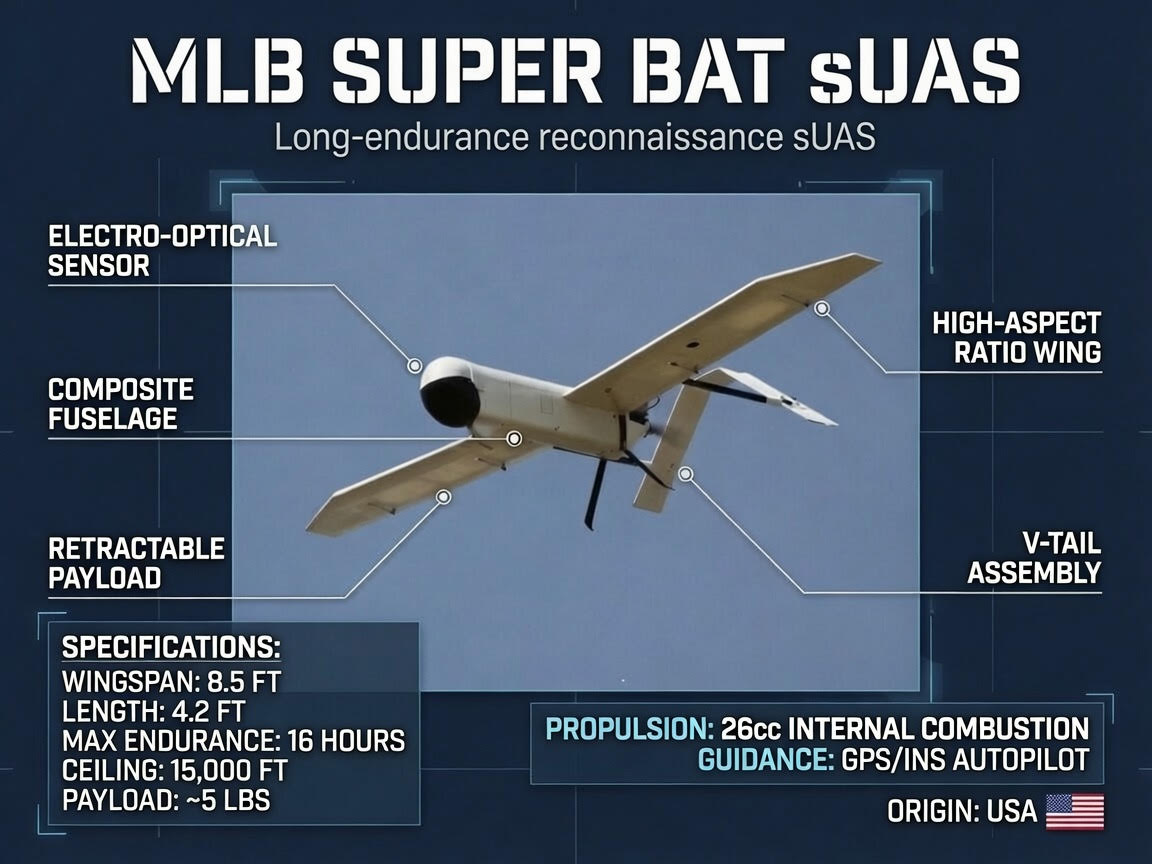 UAS / Fixed Wing
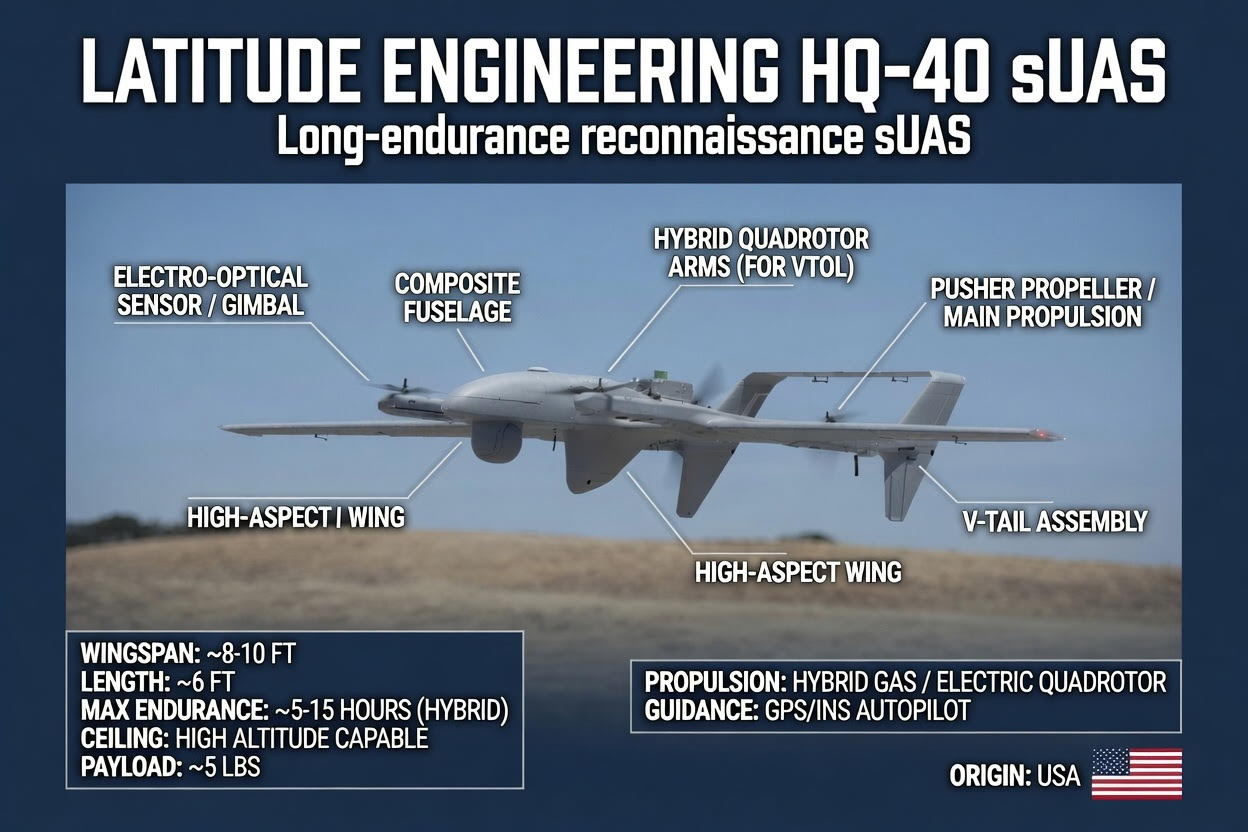 UAS / VTOL
Whether you're advancing a new unmanned platform, seeking an independent (private) test authority, or exploring partnership opportunities — we want to hear from you. RPRDT&E operates with the discretion and urgency that defense and dual-use programs demand.